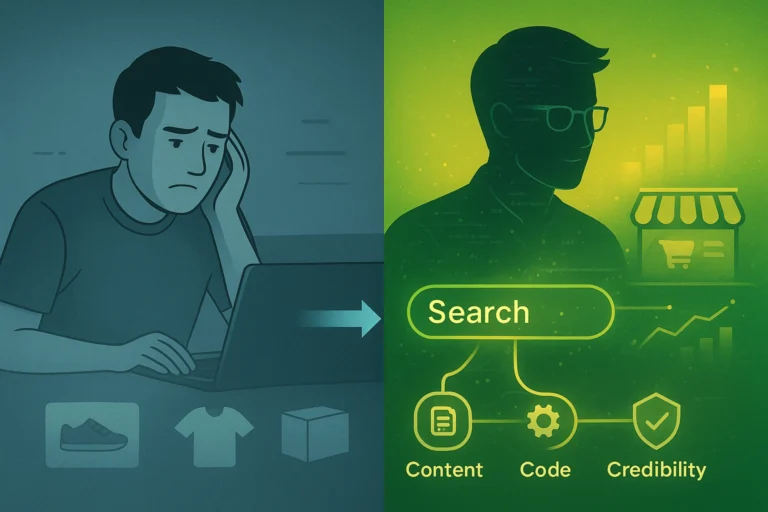
You did it. You launched your Shopify store. The design is clean, the products are incredible, and you’re ready for the orders to start rolling in. But then… silence. The initial surge of traffic from friends and family fades, and you’re left wondering, “Where are all the customers?” This is the moment many ambitious store owners realize that a beautiful website is only half the battle; the other half is making sure people can actually find it.
This is where the conversation about search engine optimization (SEO) begins. But for Shopify store owners, the path to visibility is unique. Simply hiring any SEO provider won’t cut it; you need a specialist. Understanding the potential of a dedicated partner and the real drivers behind ecommerce SEO agency growth is the first critical step toward turning your quiet store into a bustling marketplace.
What Exactly Is Shopify SEO? (And Why It’s Not Like Other SEO)
At its core, ecommerce SEO is the practice of increasing the quantity and quality of traffic to your website through organic search engine results. Shopify SEO, however, is a specialized discipline focused on optimizing stores built on the Shopify platform.
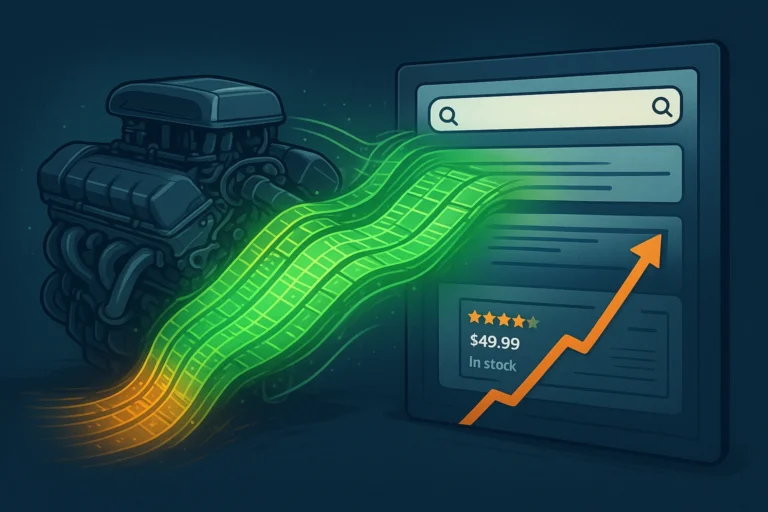
Think of it like this: any mechanic can change a tire, but if you drive a high-performance electric vehicle, you want a technician who understands its specific battery system and software. A general SEO agency is the general mechanic. A Shopify SEO agency is the specialist who knows every quirk and advantage of your platform’s engine.
While general SEO focuses on blogs and service websites, Shopify SEO is built around the unique challenges and opportunities of e-commerce, including:
- Product-Centric Optimization: The focus isn’t just on ranking for informational keywords but on driving conversions through highly optimized product and collection pages.
- Technical E-commerce Structure: Handling things like product variants, collection filters, and international storefronts requires specific technical know-how.
- Commercial Intent: A specialist knows how to capture users who are ready to buy, not just browse.
The Hidden Challenges a Specialist Agency Solves
Shopify is a powerful platform, but its out-of-the-box settings can create SEO headaches if you don’t know what to look for. A specialized agency immediately knows where to find—and fix—these common but critical issues.
The Multiple URL Management Challenge
One of Shopify’s strengths—organizing products into multiple collections—creates a technical consideration many store owners overlook. When a product appears in different collections, Shopify generates multiple URLs (/collections/sale/products/widget vs. /products/widget).
Fortunately, Shopify handles this automatically with canonical tags, telling Google which URL is the master version. However, this default setup can break when custom themes override the canonicals, apps inject conflicting code, or site migrations aren’t handled properly.
A Shopify SEO specialist audits your technical setup to ensure canonical tags are functioning correctly, implements a strategic URL structure from day one, and creates an internal linking architecture that consolidates your SEO authority where it matters most.
The App Bloat Speed Trap
The Shopify App Store is a fantastic resource, but every app you add injects code into your site. Too many—or a few poorly coded ones—can dramatically slow down your store’s loading speed. With Core Web Vitals being a crucial Google ranking factor, this “app bloat” can silently sabotage your rankings and conversions.
An experienced agency can perform a code audit, identify performance-draining apps, and recommend lightweight alternatives or custom solutions, ensuring your site is fast, responsive, and loved by search engines and customers alike.
Beyond Keywords: Maximizing Your Search Presence
Getting to the first page is one thing; earning the click is another. A specialist agency goes beyond basic keyword placement and implements advanced strategies to make your listings impossible to ignore:
- Schema Markup Enhancement: While Shopify includes basic product schema, there’s significant optimization potential. We ensure your structured data includes review ratings (especially critical if you’re using third-party review apps), enhanced product attributes, FAQ markup, and validates perfectly in Google’s testing tools—maximizing your chances of earning eye-catching rich snippets that stand out in search results.
- Collection Page Strategy: Turning generic category pages into powerful content-rich “hub” pages that rank for broader commercial terms (like “best running shoes for flat feet”) and guide shoppers through their buying journey with helpful information, filters, and strategic product organization.
From SEO to GEO: Winning in the Age of AI-Powered Search
The digital shelf is evolving. Search is no longer just a list of ten blue links. With the rise of Google’s AI Overviews and conversational search, shoppers are getting answers and product recommendations directly from an AI. This new landscape requires a new strategy: Generative Engine Optimization (GEO).
GEO is about optimizing your product data, descriptions, and content so that AI models choose your products to recommend. A forward-thinking Shopify agency isn’t just focused on yesterday’s SEO tactics. They are already:
- Optimizing Product Feeds: Ensuring your product data is structured, accurate, and rich with the details AI engines crave.
- Creating Authoritative Content: Building topical authority around your niche so that AI recognizes your brand as a trusted expert.
- Answering the Questions: Structuring product descriptions and blog content to directly answer the questions real shoppers are asking.
AI isn’t replacing strategy—it’s amplifying it. The foundational work an agency does today is what will make your store visible in the AI-driven search of tomorrow.
How to Choose the Right Shopify SEO Agency (And Avoid the Wrong One)
Navigating the world of SEO agencies can be tough. Here’s a simple checklist to help you identify a true partner and steer clear of potential pitfalls.
What to Look For:
- Verifiable Shopify Case Studies: They should be able to show you real Shopify stores they’ve helped grow, with specific data on traffic and revenue.
- Technical Shopify Fluency: Ask them about Shopify-specific issues like duplicate content, internationalization, and managing app scripts. Their answers should be confident and clear.
- A Holistic Strategy: They should talk about more than just keywords. A great agency will discuss technical SEO, content strategy, user experience, and how it all ties back to conversions.
- Transparent Reporting: They should provide clear, easy-to-understand reports that focus on the metrics that matter most to your business, like organic revenue and conversion rates.
Red Flags to Avoid:
- Guarantees of #1 Rankings: No one can guarantee specific rankings on Google. This is a tell-tale sign of an outdated or dishonest provider.
- A “Secret Sauce”: A trustworthy agency will be open about its process and strategy. Secrecy is often a cover for ineffective or risky tactics.
- Cheap, One-Size-Fits-All Packages: Effective Shopify SEO is highly customized. Low-cost, cookie-cutter packages rarely deliver meaningful results and can sometimes do more harm than good.
Frequently Asked Questions (FAQ)
Is Shopify good for SEO?
Yes, absolutely. This is a common misconception. Shopify provides a strong SEO foundation with features like editable title tags, meta descriptions, and automatically generated sitemaps. However, like any powerful tool, it requires expertise to unlock its full potential and navigate its unique complexities.
How long does it take to see results from Shopify SEO?
SEO is a long-term investment, not an overnight fix. While you may see some initial improvements within 3-4 months, significant and sustainable results typically take 6-12 months. The timeline depends on your store’s history, the competitiveness of your industry, and the intensity of the strategy.
Can I do Shopify SEO myself?
You can certainly handle the basics, like writing keyword-rich product descriptions and optimizing images. However, the technical aspects—like schema markup, site speed optimization, and resolving indexation issues—require specialized knowledge. An agency accelerates your growth by handling the complexities while you focus on running your business.
What’s the difference between using an SEO app and hiring an agency?
SEO apps are tools. They can help you execute specific tasks, like compressing images or adding basic schema. An agency is a strategic partner. They develop the overarching strategy, use a variety of tools (including apps) to execute it, analyze the data, and adapt the plan to drive continuous growth. An app is a hammer; an agency is the master carpenter who knows how to build the house.
Your Next Step: From Learning to Leading
Building a successful e-commerce brand on Shopify requires more than just great products—it requires visibility. While general SEO principles apply, the Shopify platform has its own set of rules, challenges, and massive opportunities. Partnering with a specialized Shopify SEO agency isn’t an expense; it’s an investment in a sustainable, long-term growth channel that works for you 24/7.
Now that you understand why a specialist matters, the next step is to see what a truly strategic and data-driven partnership can accomplish for your brand. By focusing on the unique architecture of your store, you can build a powerful engine for organic discovery that attracts ready-to-buy customers and fuels your growth for years to come.