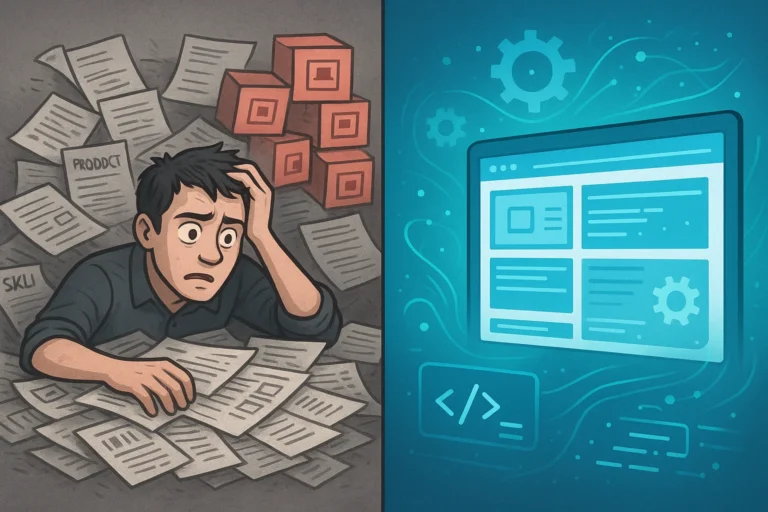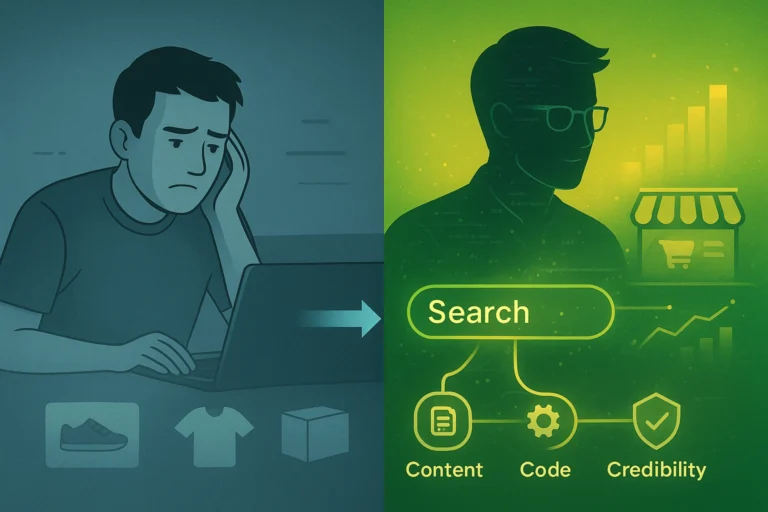
You’ve built a successful ecommerce brand. You’ve mastered paid ads, your email list is humming, and your product is a hit. But when you look at your analytics, one channel feels stuck in neutral: organic search. Despite your best efforts, you’re not seeing the consistent traffic and revenue growth you know is possible. This plateau is a common challenge, and it’s often the sign that it’s time to explore the power of a strategy from a dedicated ecommerce SEO agency.
Many brands view SEO as a simple checklist of keywords and blog posts. But for a competitive online store, it’s a complex ecosystem involving technical architecture, user experience, and content strategy all working in harmony. Partnering with a specialized agency isn’t just about outsourcing tasks; it’s about embedding a team of strategic experts into your growth plan. Let’s break down the tangible benefits of bringing in a professional ecommerce SEO agency.
1. You Gain Deep, Ecommerce-Specific Expertise
General SEO is not ecommerce SEO. A local plumber needs a very different strategy than an online store with 10,000 SKUs. An agency that lives and breathes ecommerce understands the unique challenges and opportunities that generic SEO practitioners often miss.
Here’s what this means for your brand:
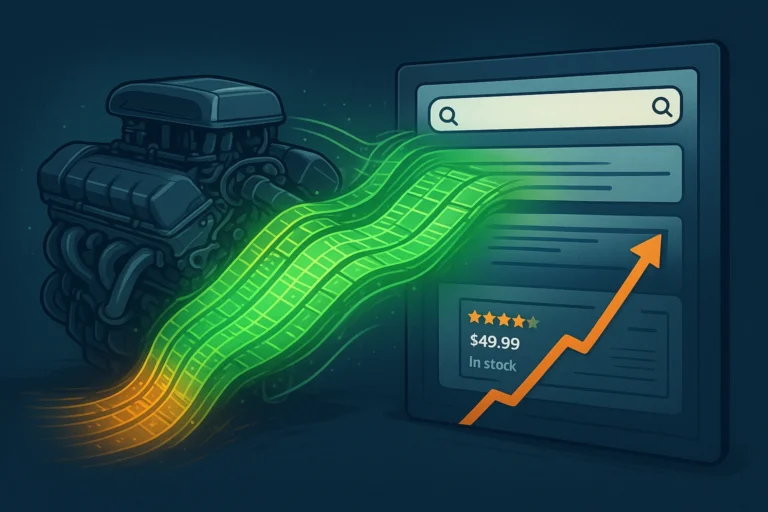
- Technical Mastery: They know how to handle complex issues like faceted navigation (the filters on your category pages) to avoid duplicate content penalties, implement proper schema markup so your products show up with star ratings in search results, and optimize your site architecture for millions of pages.
- Platform Nuances: Whether you’re on Shopify, BigCommerce, or Magento, each platform has its own SEO quirks. A specialized agency has already navigated these challenges for dozens of other stores and won’t be learning on your dime.
- Revenue-Focused Strategy: Their goal isn’t just traffic; it’s sales. They prioritize optimizing high-intent “money” pages—your product and category pages—over vanity metrics. They understand the entire conversion funnel, from discovery to checkout.
A generalist might get you more traffic, but an ecommerce specialist gets you more customers.
2. It’s More Cost-Effective Than You Think
Hiring a full-time, senior-level in-house SEO expert is a significant investment. A competitive salary can easily exceed six figures, and that’s before you factor in benefits, training, and the expensive suite of tools they’ll need to do their job effectively.
An agency provides a more efficient model:
- Access to a Full Team: For a fraction of the cost of one senior hire, you get access to a diverse team of specialists: technical SEO analysts, content strategists, link-building experts, and data analysts.
- Bundled Pro-Level Tools: Agencies already subscribe to the best tools in the industry (and have created their own proprietary AI SEO tools)—like Ahrefs, SEMrush, and advanced crawlers—which can cost thousands of dollars per month. This cost is baked into their retainer, giving you enterprise-level insights without the enterprise-level price tag.
- Scalable Resources: As your needs grow, an agency can scale its efforts up or down without the friction of the hiring and firing process.
Practical takeaway: When you compare the fully-loaded cost of an in-house team to an agency retainer, the agency model often delivers a higher ROI by providing broader expertise and essential tools more efficiently.
3. You Get Measurable Traffic and Conversion Growth
The ultimate goal of SEO is to drive profitable growth. A reputable ecommerce SEO agency is obsessed with tying their efforts to your bottom line. They move beyond basic traffic reports to show you how their work directly impacts sales.
This focus on ROI is where a true partnership shines. For example, one our clients was able to generate an additional $24,000 in revenue in 3 months (close to a 4x ROI) directly from SEO efforts after partnering with us after we optimized their product feed for Google organic shopping traffic.
4. You Gain a Crucial Competitive Advantage
The world of search is constantly changing. Between Google’s frequent algorithm updates and the rise of AI-driven search (like AI Overviews), what worked last year might not work today. Staying on top of these shifts is a full-time job.
An agency’s role is to be your strategic lookout, ensuring your brand isn’t left behind.
- Proactive Adaptation: When a major Google update rolls out, you won’t be scrambling to figure out what it means. Your agency is already analyzing the impact and adjusting your strategy.
- Competitor Intelligence: They use sophisticated tools to monitor your competitors’ SEO strategies. They can identify what’s working for them, find gaps you can exploit, and help you systematically outperform them in search results.
- Future-Proofing: A forward-thinking agency is already optimizing for the future of search, including voice search and Generative Engine Optimization (GEO), positioning you to win not just today, but tomorrow as well.
5. You Create a Better, More Trustworthy Customer Experience
At its core, Google wants to rank websites that provide the best user experience. A great ecommerce SEO agency understands this and builds its strategies around your customer.
This customer-centric approach has several benefits:
- Improved Site Performance: Slow-loading pages are a major conversion killer. Agencies conduct technical audits to identify and fix issues that slow down your site, making it faster and more enjoyable for shoppers.
- Helpful, Authoritative Content: They help you create content that answers your customers’ questions at every stage of their journey, from early research to post-purchase support. This builds trust and establishes your brand as the go-to resource in your niche.
- Clear and Easy Navigation: A logical site structure, optimized for both search engines and users, ensures that shoppers can find what they’re looking for quickly and easily, reducing bounce rates and increasing sales.
Ultimately, good SEO is good business. By focusing on the user, you create a stronger brand that Google is more likely to reward with higher rankings.
Frequently Asked Questions
What’s the real difference between ecommerce SEO and “regular” SEO?
The primary difference is the focus and complexity. Regular SEO might target a handful of service pages and a blog. Ecommerce SEO deals with potentially thousands of product and category pages, each needing unique optimization. It also involves technical challenges specific to online stores, like managing product variants, optimizing for faceted search, and implementing product-specific structured data.
How long does it take to see results from an SEO agency?
SEO is a long-term strategy, not an overnight fix. While you may see some initial improvements from technical fixes within the first 1-3 months, significant gains in organic traffic and revenue typically take 6-12 months. The key is to build a sustainable foundation that delivers compounding returns over time, unlike paid ads which stop the moment you turn off the spend.
Can’t I just use AI tools to do SEO myself?
AI tools are powerful amplifiers, but they’re only as good as the strategy behind them. An experienced agency uses AI to execute more efficiently, but the overarching strategy—which keywords / topics to target, how to structure the site, which technical issues to prioritize—comes from human expertise and deep industry knowledge. AI isn’t replacing strategy; it’s amplifying it.
The Path to Sustainable Organic Growth
Choosing to hire an ecommerce SEO agency is a strategic decision to invest in a sustainable, long-term revenue channel. It’s about more than just rankings; it’s about building a powerful growth engine that attracts, engages, and converts qualified customers around the clock. By bringing in specialized expertise, you free up your team to focus on what they do best—running your business—while your agency builds a competitive moat in the world’s largest marketplace: Google.