You asked an AI to write a product description. The result came back in seconds. It was grammatically correct, keyword-rich, and… completely soulless. It described the features perfectly but missed the feeling, the reason your customers fall in love with your brand in the first place.
If this sounds familiar, you’ve stumbled upon the central paradox of generative AI in marketing: it offers incredible speed but risks creating a sea of generic, forgettable content. The race for efficiency can easily sideline the one thing that truly sets you apart—your unique brand story.
The solution isn’t to abandon AI. It’s to partner with it. This is the core of the Human-in-the-Loop (HITL) approach, a critical framework for transforming AI from a blunt instrument into a precision tool that amplifies your brand’s authentic voice, rather than replacing it.
What is Human-in-the-Loop (and Why Does It Matter for Your Brand)?
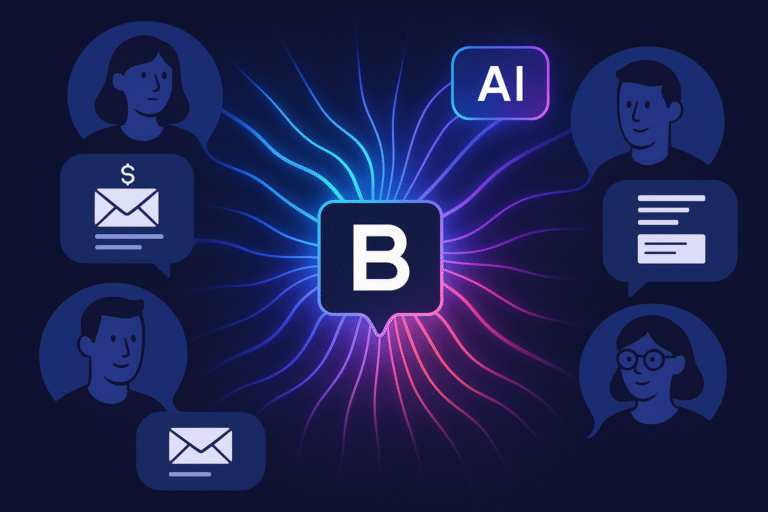
At its core, Human-in-the-Loop is a model where a person and a machine intelligence work together to achieve better results than either could alone. As explained by tech leaders like Google and IBM, this collaboration happens at key stages: humans train the AI, evaluate its outputs, and provide feedback to make it smarter over time.
But for brand storytelling, it’s much more than a technical process. It’s a strategic philosophy.
Think of it this way: AI is your brilliant, lightning-fast junior copywriter. It can research competitors, generate dozens of ideas, and draft content in minutes. But the human—you, the brand strategist, the seasoned marketer—is the editor-in-chief. You hold the brand’s soul. You know the inside jokes, the customer pain points, and the subtle emotional currents that turn a casual browser into a loyal advocate.
In an era of AI-generated abundance, human-refined authenticity becomes the ultimate differentiator. AI can write the words, but you are the one who tells the story.
The Four Places Your Brand Story Needs a Human Touch
While AI can handle the heavy lifting of content generation, its limitations become clear when it comes to the nuanced art of brand narrative. Human judgment is irreplaceable in four key areas:
- Context and Nuance: An AI doesn’t understand the cultural significance of a phrase, the history behind a brand decision, or the subtle humor that resonates with your specific audience. It sees data, not meaning. A human provides the context that makes a story relevant and memorable.
- Emotional Resonance: AI can be trained to use emotional language, but it can’t truly feel. It can’t tell you if a story feels inspiring, comforting, or exciting. That gut check—the one that ensures your message lands with the intended emotional impact—is a uniquely human skill.
- Ethical Guardrails: Generative AI can inherit biases from its training data, leading to content that might be unintentionally exclusive, insensitive, or misaligned with your brand’s values. A human acts as the essential ethical filter, protecting your brand’s reputation and ensuring its communications are responsible.
- Strategic Alignment: Every piece of content should serve a larger business goal. A human strategist ensures that the AI-generated narrative isn’t just well-written, but that it also reinforces key brand pillars, supports current marketing campaigns, and drives the desired customer action.
A Practical Framework: The 4-Phase HITL Workflow for Brand Narratives
Adopting a Human-in-the-Loop approach doesn’t have to be complicated. It’s about creating a structured workflow where human strategy guides AI execution. This four-phase cycle ensures you get the speed of AI without sacrificing the soul of your brand.
Phase 1: The Strategic Blueprint (Human-Led)
Before you write a single prompt, the human sets the stage. This is the most critical phase. You define the core components of the story you want to tell.
- Objective: What is this story meant to achieve? (e.g., build trust, announce a new feature, drive sales).
- Audience: Who are you talking to? What are their hopes, fears, and values?
- Core Message: What is the one thing you want them to remember?
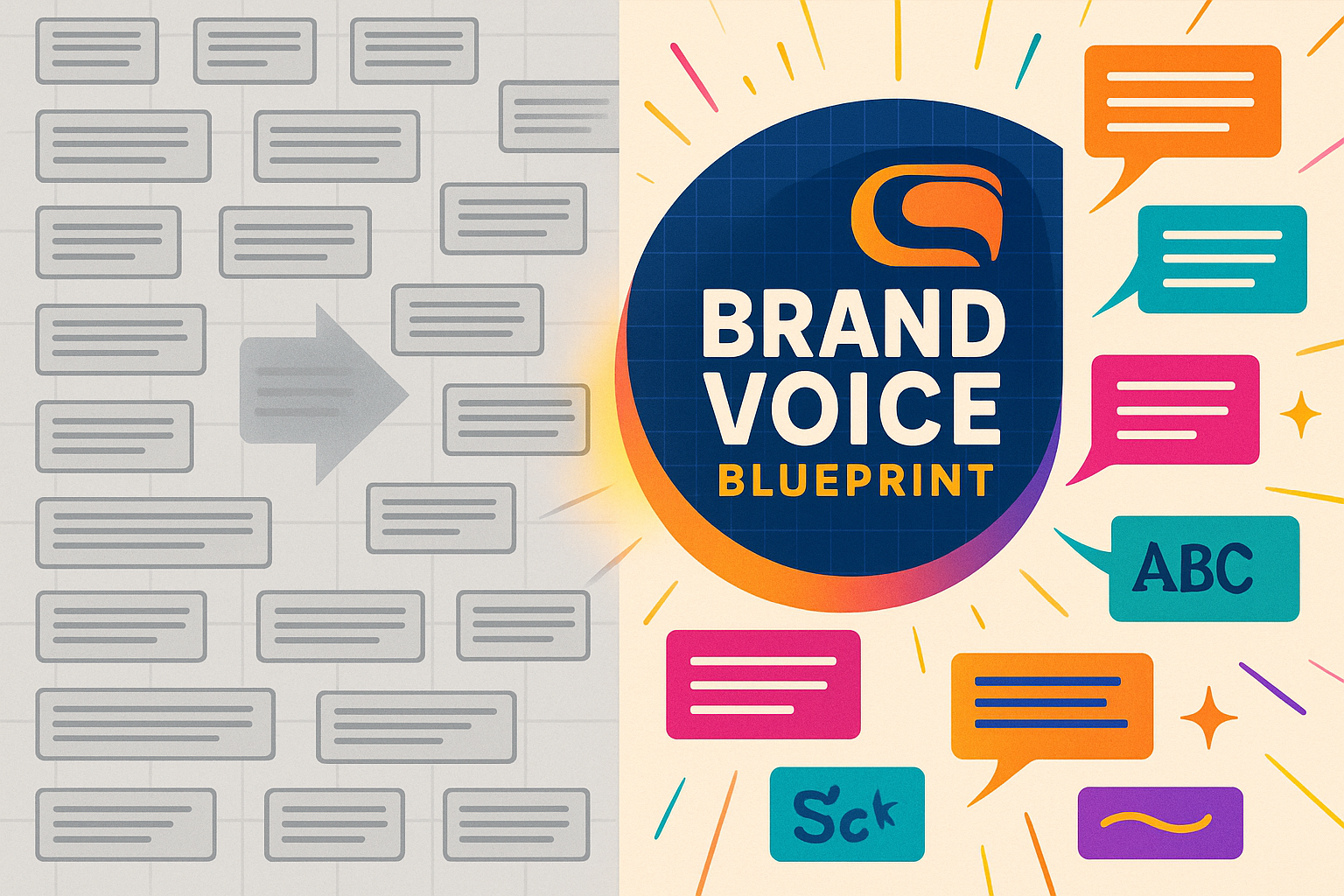
- Brand Voice: What are the non-negotiable elements of your brand’s personality? (e.g., “witty but not sarcastic,” “authoritative but not arrogant”). This phase requires a deep understanding of your market, often informed by detailed competitor analysis.
Phase 2: Generation & Curation (AI + Human)
With a clear blueprint, you can now use AI to generate initial drafts. The key here is to treat the AI’s output as raw material, not a final product.
- AI’s Role: Generate multiple narrative concepts, headlines, or full drafts based on the strategic prompt.
- Human’s Role: Curate the best options. Discard anything that feels generic or “off-brand.” Most importantly, identify and correct AI “hallucinations”—factual errors or nonsensical statements the model confidently presents as truth.
Phase 3: The Refinement Engine (Human-Intensive)
This is where the magic happens. The human editor takes the curated AI draft and breathes life into it. This goes far beyond simple proofreading.
- Injecting Personality: Weave in brand-specific terminology, anecdotes, and metaphors.
- Enhancing Flow: Restructure sentences for better rhythm and impact.
- Tuning Emotion: Adjust the tone to create the precise emotional response you’re aiming for.
Practical Takeaway: Before & After
- Raw AI Draft: “Our new Eco-Fabric shoes are sustainable. Made from recycled materials, they reduce your carbon footprint. They are durable and comfortable for daily wear.”
- Human-Refined Narrative: “Walk lighter on the planet. Our new Eco-Fabric shoes aren’t just made from recycled bottles—they’re made for the journey ahead. Every step is a statement, blending all-day comfort with a commitment to a greener world.”
Phase 4: The Feedback Loop (Human to AI)
The final step is to use the refined content to make your AI smarter. By analyzing what you changed and why, you can improve your future prompts. Did you have to add more emotional language? Your next prompt should ask for it specifically. Did you have to correct a recurring factual error? Note it for future reference. This iterative process turns AI from a static tool into a learning partner.
Avoiding the Pitfalls: Common Challenges in Human Oversight
Simply having a human “check the work” isn’t enough. As the Boston Consulting Group notes, true human oversight must be designed intentionally to avoid common traps.
- Automation Bias: This is the natural tendency to over-trust the output from an automated system. Just because the AI wrote it eloquently doesn’t mean it’s accurate, on-brand, or strategically sound. The fix: Implement a structured review rubric that forces the human reviewer to check against specific brand and strategic criteria, not just grammar.
- The Scalability Trap: How do you maintain this level of thoughtful oversight when you need to produce hundreds of product descriptions or blog posts? This is where the process can feel like a bottleneck. The fix: Scaling this process often requires a dedicated system, like an AI agent trained for SEO, that can handle volume while adhering to human-set guidelines from the start.
- Missing Context: If the person reviewing the content wasn’t involved in the initial strategy (Phase 1), they’re just proofreading. They can’t know if the narrative achieves its strategic goal. The fix: Ensure the human in the loop has access to the original creative brief and understands the “why” behind the content.
Frequently Asked Questions (FAQ)
What’s the difference between Human-in-the-Loop and just… editing?
Traditional editing focuses on polishing a finished piece. The HITL approach is a collaborative partnership from the very beginning. The human defines the strategy, curates the initial AI output, refines the narrative, and uses that process to train the AI for future tasks. It’s an ongoing, iterative cycle, not a final handoff.
Can AI ever be truly creative?
AI is a master of recombination. It can analyze vast amounts of data and combine existing concepts in novel ways, which can certainly look like creativity. However, it lacks lived experience, consciousness, and intent—the sources of true human originality. The best results come from using AI’s recombinant power to spark ideas that a human then imbues with genuine originality and emotional depth.
How can a small team implement a HITL process?
Start small. You don’t need complex software. Create a simple “Brand Voice & Tone” guide in a shared document. Develop a short creative brief template for any new piece of content. Designate one person as the “editor-in-chief” to ensure consistency. The key is to be intentional, even with a small team.
Doesn’t adding human oversight slow down the process and defeat the purpose of AI?
It’s a matter of perspective. HITL isn’t about moving slower; it’s about ensuring you’re moving faster in the right direction. The time you invest in strategic refinement upfront saves you from wasting resources on off-brand, ineffective content that fails to connect with your audience and ultimately hurts your brand.
The Future is a Partnership, Not a Replacement
Generative AI is not a fleeting trend; it’s a fundamental shift in how we create. The brands that thrive in this new era won’t be the ones that simply automate content production. They will be the ones that master the art of the human-AI partnership.
By embracing a Human-in-the-Loop approach, you position AI as a powerful collaborator that handles the scale and speed, freeing you up to focus on what matters most: the strategy, the creativity, and the authentic human connection that lies at the heart of every great brand story.
Ready to see how a purpose-built AI can amplify your brand’s voice? Explore how custom AI agents for ecommerce are changing the game by baking human expertise directly into the system.